theMinds at MindPark
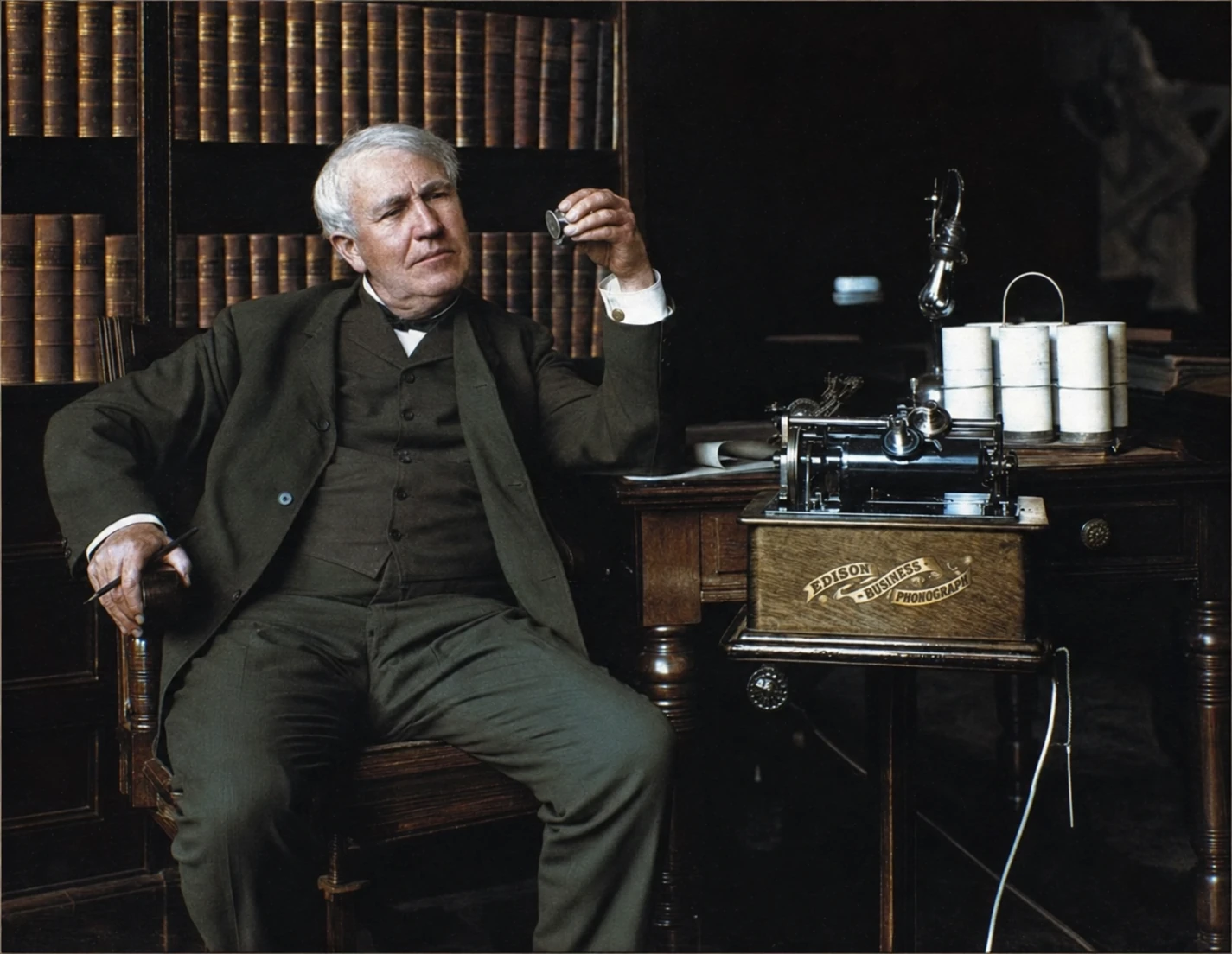
Thomas Edison
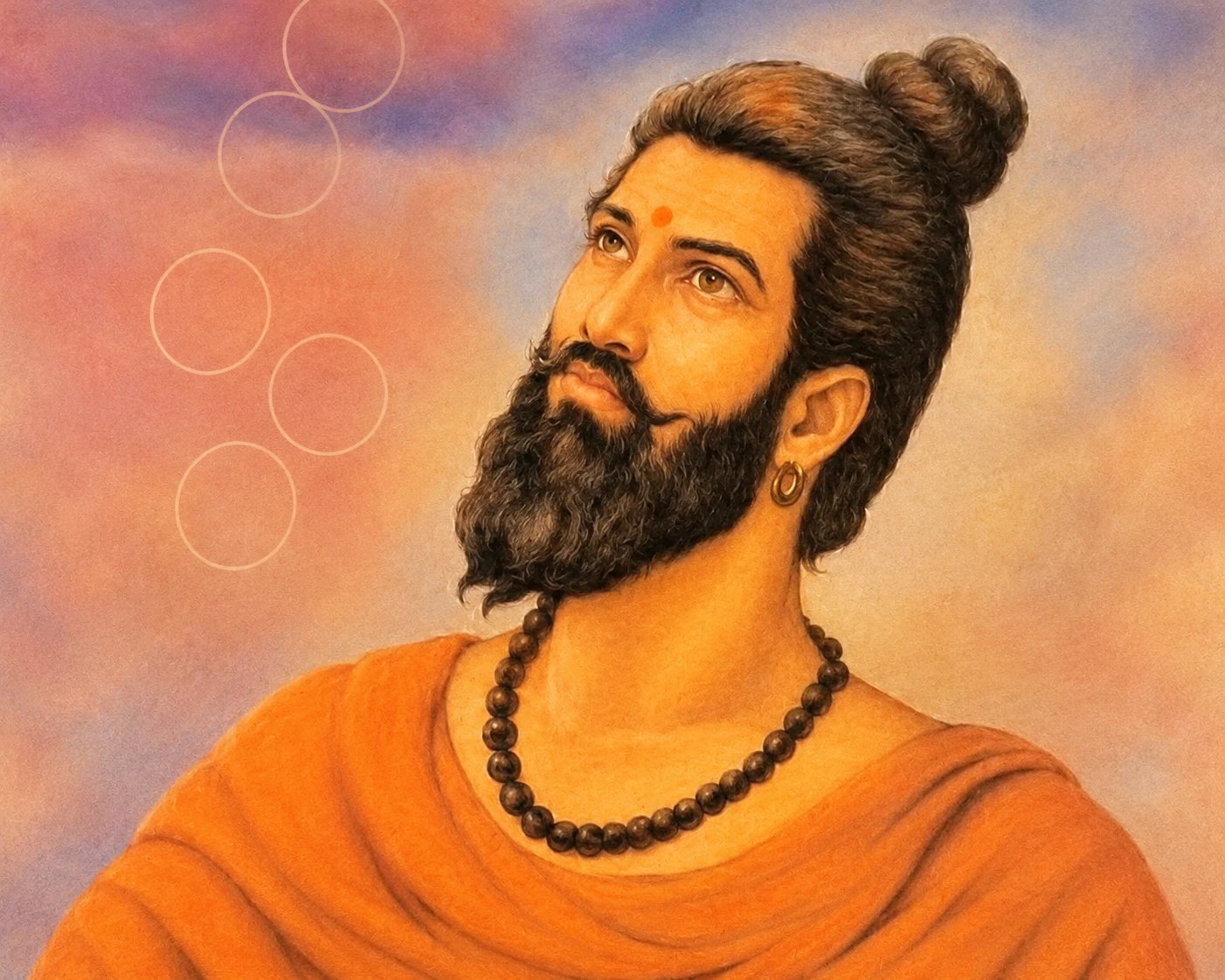
Acharya Kanad

theMinds at MindPark invests in entrepreneurs and innovators driven by purpose and possibility, working to create a world of abundance for future generations.
Anyone who has achieved greatness has, in part, patterned themselves after those who came before.
This podcast analyzes the lives of some of the greatest men and women to ever live. By examining their strategies, tactics, mindset, and work habits, theMinds helps you understand the great ones, so that you can follow their footsteps.
How did Thomas Edison rise from obscure origins in a frontier town in Michigan to become the most famous man of his age and one of the greatest inventors of all time?
- Episode 01: we cover Edison's life from his birth up through his invention of the phonograph.
- Episode 02: we cover Edison's life from his invention of the light bulb to his death.
Acharya Kanad was an ancient Indian natural scientist and philosopher who lived between the 6th and 2nd century BCE.
Father of the Atomic Theory (Parmanu): He conceptualized the idea of parmanu or anu (atom) as an indivisible, eternal, and indestructible particle of matter centuries before Western atomism.
Founder of the Vaiśeṣika school of Indian philosophy and the pioneer of early Indian physics and atomic theory.
Author of Vaiśeṣika Sūtra, also called Kaṇāda Sūtra, is an ancient Sanskrit text at the foundation of the Vaisheshika school of Hindu philosophy.
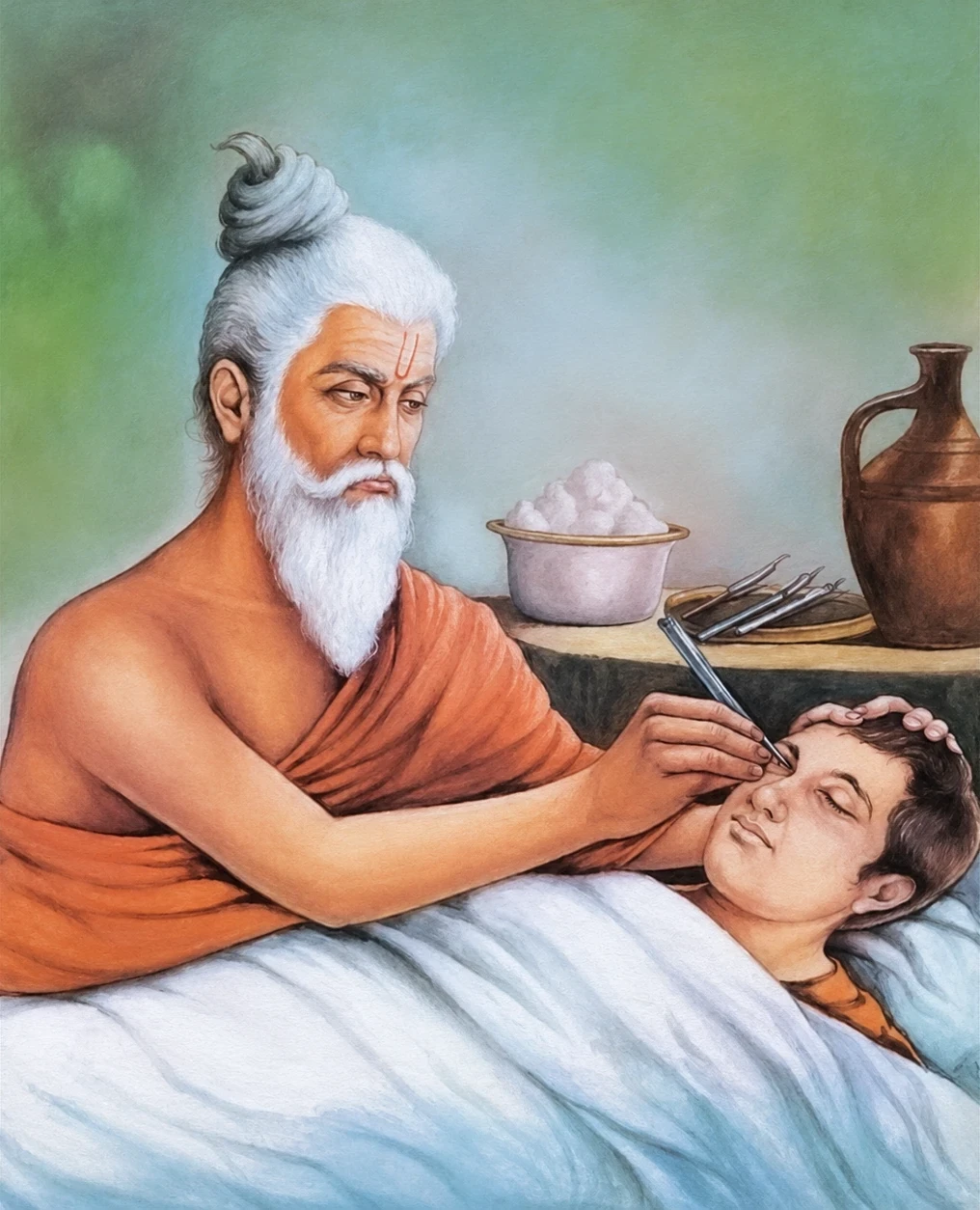
Acharya Sushruta was an ancient Indian physician and surgeon widely revered as the "Father of Surgery" and the "Father of Plastic Surgery."
Living and practicing in Kashi (modern-day Varanasi) around the 6th century BCE, he authored the Sushruta Samhita, one of the oldest and most foundational medical and surgical treatises in history.
Sushruta introduced systematic clinical practices and complex operations that were centuries ahead of their time:
- Reconstructive Rhinoplasty. He pioneered forehead-flap and cheek-flap nose reconstruction to repair amputated noses. This technique later became known globally as the "Indian Method" of plastic surgery.
- Ophthalmology and Orthopedics. He documented early methods for cataract extraction (couching), setting broken bones, realigning dislocations, and removing urinary stones (lithotomy).
- Anatomy and Simulation. To study human anatomy despite social taboos against cutting bodies with knives, he developed a method of submerging cadavers in running water for seven days to examine tissue layers. He also had students practice surgical cuts and stitches on clay models, fruits, and animal hides before operating on humans.
The Sushruta Samhita (Sushruta's Compendium) is a cornerstone text of Ayurveda and ancient global medicine. Divided into six main sections containing over 180 chapters, it serves as an encyclopedia of both general medicine and specialized surgery.
Global Legacy, the teachings of the Sushruta Samhita were translated into Arabic during the 8th century CE as Kitab-i-Susrud, eventually spreading through the Middle East and into Europe. In the late 18th century, British surgeons observed Indian practitioners performing Sushruta's forehead-flap rhinoplasty in Pune and published the technique in London. This direct transmission sparked the development of modern reconstructive and plastic surgery in the West.